
Your roof is one of your home’s most important lines of defense, but damage isn’t always easy to spot. In fact, many signs of hidden roof damage can go unnoticed for months or even years, quietly leading to leaks, mold growth, damaged insulation, and structural problems. Understanding what to look for is an important part of residential roofing maintenance and can help you catch small issues before they turn into costly repairs. Here, we’ll cover 10 hidden signs that your roof may need professional attention.
Quick Overview: Top Signs of Hidden Roof Damage
- Hidden roof damage can go unnoticed for months or even years, potentially leading to mold, wood rot, damaged insulation, structural problems, and costly repairs.
- Common warning signs include musty odors, small water stains, peeling paint, rising energy bills, and excessive shingle granules in gutters.
- Your attic may reveal early signs of trouble, such as rusted nails, damp insulation, moisture on rafters, or daylight coming through the roof boards.
- Sagging areas, damaged flashing, and unexpected mold or mildew may indicate more serious moisture or structural damage that requires professional attention.
- Regular roof inspections can help catch hidden damage early, allowing you to address minor problems before they become more extensive and expensive.
What Causes Hidden Roof Damage?
Hidden roof damage can develop for several reasons, often without creating immediate or obvious warning signs. Some of the most common causes include:
- Severe storms and high winds that loosen or damage shingles and flashing
- Hail that creates small cracks, dents, or bruising that may be difficult to see from the ground
- Aging roofing materials that naturally deteriorate after years of exposure to the elements
- Poor roof installation that leaves vulnerable areas susceptible to leaks and premature damage
- Damaged or deteriorated flashing around chimneys, vents, skylights, and roof valleys
- Clogged gutters that prevent proper drainage and allow water to back up beneath roofing materials
- Fallen branches and debris that puncture shingles or damage the roof surface
- Poor attic ventilation that traps heat and moisture beneath the roof
- Ice dams that force melting snow underneath shingles
- Delayed maintenance that allows small roofing problems to become more serious over time
Top 10 Warning Signs of Hidden Roof Damage
Roof damage isn’t always as obvious as missing shingles or water dripping from the ceiling. In many cases, minor issues can develop quietly and go unnoticed until they cause more extensive damage to your home. Knowing the signs of hidden damage can help you identify potential issues earlier and determine when it’s time to schedule a professional roof inspection. To help you keep your home in good condition, here are some common signs of hidden roof damage.
1. Unexplained Increases in Energy Bills
If your heating or cooling bills suddenly increase without a clear explanation, your roof could be part of the problem. Damage to roofing materials, insulation, or attic ventilation can allow conditioned air to escape and make it harder for your HVAC system to maintain a comfortable temperature inside your home. While higher energy costs can have many causes, a noticeable and persistent increase may be worth investigating.
2. Musty Odors in the Attic or Upper Floors
A persistent musty smell can also be an early warning sign of excess moisture somewhere in your home. Small roof leaks may allow water to enter the attic, insulation, or walls without creating immediately visible stains. Over time, trapped moisture can contribute to mold and mildew growth, making unusual odors an important sign you shouldn’t ignore. So, even if you can’t visibly spot hidden roof damage, musty smells may be worth a professional inspection.
3. Small Water Stains or Discoloration on Ceilings
Water stains don’t always begin as large, obvious patches. A small yellow spot or even a subtle discoloration on the ceiling may be a sign that you have a slow roof leak. Keep in mind that water can travel along structural materials before becoming visible, so the source of the leak may not be directly above the stain. Water-related roof problems can be more noticeable after high winds or severe weather, so consider working with a professional to ensure that there’s no structural damage to your roof systems.
4. Shingle Granules Collecting in Gutters
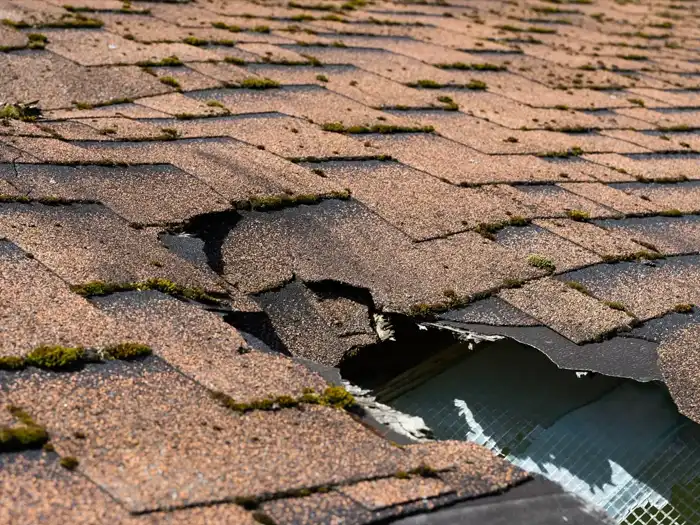
Asphalt shingles are coated with protective granules that help shield the roof from UV rays and weather exposure. Although some granule loss is normal, especially with a new or aging roof, large amounts of granules collecting in your gutters or near downspouts may be a sign that your shingles are deteriorating faster than expected. Excessive granule loss can also leave shingles more vulnerable to moisture and further damage, so it’s best to get regular inspections and address them before issues lead to costly repairs.
5. Peeling Paint or Wallpaper
Water stains on ceilings aren’t the only early signs of water damage. Peeling paint or blistering wallpaper and finishes on walls and ceilings can also indicate hidden moisture problems. When water enters through a damaged roof, it can travel behind drywall and other surfaces before visible leaks appear. If these changes occur on upper floors or near exterior walls, it may be worth having your roof inspected.
6. Rusted Nails or Moisture in the Attic
Your attic can reveal some of the earliest signs of hidden roof damage. In fact, rusted roofing nails, damp insulation, moisture on rafters, or condensation on the underside of the roof deck can all point to a leak or ventilation issue. Even if you don’t see dripping water, persistent moisture can eventually lead to mold, wood rot, and damaged insulation. However, these types of roof issues can lead to severe problems. If they’re not addressed, you may even need a roof replacement, so it’s best to catch hidden damage early.
7. Daylight Visible Through the Attic
If you can see daylight coming through the roof boards while standing in your attic, there may be gaps, cracks, or holes in the roofing system. Even small openings can allow rain, snow, pests, and outside air into your home. Because these openings may worsen over time, they should be inspected by a roofing professional to give you some peace of mind.
8. Sagging or Uneven Areas of the Roof
Subtle dips, waves, or sagging sections of a roof can be easy to overlook, especially from the ground. However, an uneven roofline may indicate damaged roof decking, prolonged moisture exposure, or structural deterioration. Since sagging can signal a more serious problem, it’s important to have it professionally evaluated as soon as possible.
9. Damaged or Loose Flashing
Flashing is installed around chimneys, skylights, vents, roof valleys, and other vulnerable areas to help direct water away from openings. Cracked, corroded, loose, or separated flashing can allow moisture to penetrate the roofing system without creating an immediate visible leak inside the home. Regular roof maintenance and inspections can help catch flashing problems before they lead to more extensive water damage.
10. Mold, Mildew, or Unusual Moisture in Unexpected Areas
Finally, mold or mildew in an attic, closet, upper-floor room, or along an exterior wall could be connected to hidden roof damage. Because water can travel through insulation, framing, and wall cavities, moisture may appear far from the actual point where it entered the roof. Any recurring mold or unexplained dampness should be investigated to identify and address the underlying source.
How Can You Check for Hidden Roof Damage Without Getting on the Roof?
You don’t always have to climb onto your roof to spot potential warning signs. From inside your home, check ceilings and walls for water stains, peeling paint, or discoloration, and inspect the attic for damp insulation, mold, musty odors, or visible daylight. You can also look at your roof from the ground for missing shingles, sagging areas, or other visible damage and check your gutters for excessive shingle granules.
How Long Can Roof Damage Go Unnoticed?
Roof damage can go unnoticed for months or even years, depending on its location and severity. Small leaks may slowly allow moisture into your attic, insulation, or walls without causing obvious symptoms inside your home. However, the longer damage goes undetected, the greater the risk of mold growth, wood rot, structural problems, and more expensive repairs.
Protect Your Home by Catching Hidden Roof Damage Early
Recognizing the signs of hidden roof damage can help you address small problems before they become costly repairs. If you’ve noticed water stains, unusual odors, missing shingles, or other warning signs, a professional inspection can help uncover the source of the problem. Contact First Star Exteriors today to get a free quote and protect your home with reliable roofing services.