
Quick Overview: Roof Insurance Claims After Storm Damage
- Check your home for visible damage after strong wind, hail, fallen branches, or heavy rain.
- Take photos and videos before making repairs so you have a clear record of the damage.
- Call your insurance company quickly because many policies have time limits for storm damage claims.
- Schedule a roof inspection if you see missing shingles, leaks, dented gutters, or other signs of damage.
- Review the insurance estimate carefully before choosing a contractor or starting roof repairs.
Storm damage can leave your roof with problems that are not easy to see from the ground. Missing shingles, lifted flashing, hail marks, damaged gutters, and small leaks can all lead to bigger problems if they are ignored.
Filing a roof insurance claim after storm damage can feel stressful, especially if you have never gone through the process before. This guide explains what to do first, how to document the damage, when to contact your insurance company, and how to work with a local roofing contractor in Northwest Arkansas.
1. Make Sure Your Home Is Safe First
Safety should come before the insurance claim. Do not climb onto the roof after a storm. Wet shingles, loose debris, and hidden damage can make the roof dangerous.
Start by checking your home from the ground. Look for missing shingles, damaged gutters, broken siding, fallen branches, or pieces of roofing material in the yard. If you see water coming into the home, place a bucket under the leak and move furniture, rugs, electronics, and valuables away from the area.
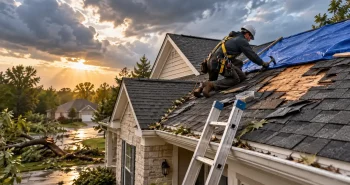
If the damage is severe, temporary protection may be needed. A tarp can help reduce water intrusion until repairs begin. Keep all receipts if you pay for emergency work, because your insurance company may ask for them during the claim process.
2. Document the Storm Damage
Good documentation can make the claim process easier. Take clear photos and videos before cleaning up or making major repairs.
Photograph the outside of your home first. Include the roof, gutters, downspouts, siding, fascia, windows, screens, vents, and any debris around the property. If you notice dents on gutters or metal vents, take close-up photos. These signs can help show that hail or wind affected the home.
Then check the inside of your home. Look for ceiling stains, wet drywall, water spots, peeling paint, or moisture in the attic. Interior damage can help show how the storm affected the roofing system.
Write down the date of the storm, the type of weather, and when you first noticed the damage. This gives your insurance company a clearer timeline.
3. Look for Common Signs of Roof Storm Damage
Storm damage does not always look dramatic. A roof can appear normal from the driveway while still having damage that needs attention.
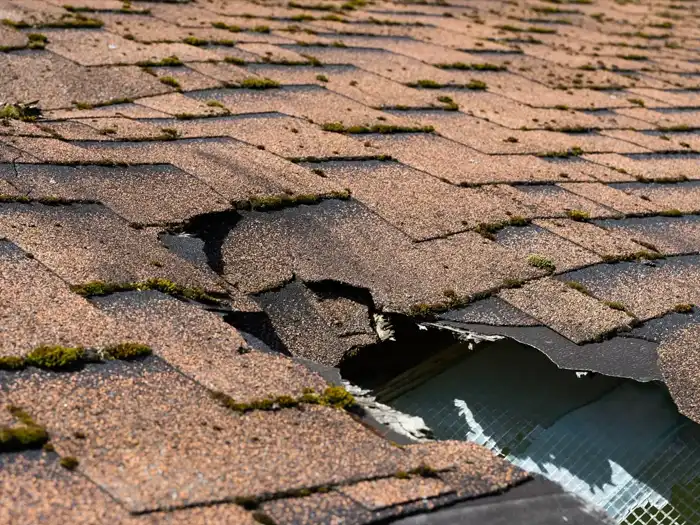
Common signs include missing shingles, lifted shingles, cracked shingles, loose flashing, dents on roof vents, granule loss, clogged gutters, and water stains inside the home. Hail can also leave bruised areas on shingles that may shorten the life of the roof.
Wind damage is also common in Northwest Arkansas. Strong wind can lift shingles and break the seal underneath them. Once that seal is damaged, rain can get under the roofing material and create leaks later.
If you are unsure what you are seeing, read more about common roofing problems or schedule a professional inspection before assuming the roof is fine.
4. Contact Your Insurance Company
Call your insurance company as soon as you believe the roof may have storm damage. Many homeowners insurance policies have deadlines for reporting storm-related claims. The Arkansas Insurance Department also recommends contacting your insurance company quickly after a storm, taking photos of the damage, and being careful when choosing contractors after severe weather.
The insurance company will usually ask for basic details. They may ask when the storm happened, what damage you noticed, whether there is active leaking, and whether temporary repairs were made.
Be honest and specific. You do not need to diagnose the entire roof yourself. You can simply explain what you noticed and say that you are having the roof inspected.
Your insurance company will explain the next steps. In many cases, they will assign an adjuster to inspect the property and estimate the covered damage.
5. Schedule a Roof Inspection
A roof inspection can help you understand the condition of your roof before repairs begin. A local roofing contractor can look for damage that may not be visible from the ground.
This step is especially helpful after hail, high winds, or a major storm system. A contractor can check the shingles, flashing, vents, gutters, roof valleys, pipe boots, and other areas that often fail after severe weather.
A good inspection should be clear and practical. The contractor should explain what they found, show photos when possible, and tell you whether the roof needs repair, replacement, or continued monitoring.
If your home has active leaking, do not wait. You can learn more about leak-related problems on the roof repair page.
6. Meet With the Insurance Adjuster
The insurance adjuster works for the insurance company. Their job is to inspect the damage and prepare an estimate based on the policy.
During the adjuster visit, make sure they can access all damaged areas. Share your photos, videos, notes, and any inspection findings from your contractor. If there is interior water damage, show that as well.
The adjuster may inspect the roof, gutters, siding, attic, ceilings, and other affected areas. Storm damage often affects more than one part of the home. For example, hail may damage shingles and gutters at the same time. Strong wind may damage the roof and siding together.
If your home also has exterior damage beyond the roof, you may want to review information about storm-damaged siding.
7. Review the Insurance Estimate Carefully
After the inspection, the insurance company may send an estimate. This document explains what they believe is damaged, what repairs are covered, and how much they estimate the work will cost.
Review this estimate carefully. Look at the scope of work, not just the total amount. Make sure it includes the damaged areas you discussed. Check whether it includes shingles, underlayment, flashing, vents, gutters, decking, interior repairs, or other affected materials.
Sometimes hidden damage is found after work begins. For example, damaged decking may not be visible until old shingles are removed. In that case, the contractor may need to submit additional documentation to the insurance company.
Do not rush through this step. The estimate should match the actual work needed to restore the roof properly.
8. Understand Your Deductible and Coverage
Your deductible is the amount you are responsible for paying before insurance covers the rest of the approved claim. This amount depends on your policy.
Some policies have a flat deductible. Others may have a wind and hail deductible based on a percentage of the home’s insured value. That difference can matter after a major storm. The Insurance Information Institute explains that homeowners insurance may cover certain storm-related events, including wind, hail, lightning, and winter storm damage, but coverage depends on the specific policy.
You should also understand whether your policy uses replacement cost value or actual cash value. Replacement cost value may cover the cost to replace damaged materials, depending on the policy terms. Actual cash value usually subtracts depreciation based on age and condition.
Your insurance company can explain these details. A contractor can help you understand the repair scope, but your insurance provider is the source for policy questions.
9. Choose a Local Roofing Contractor
After the claim is approved, choose a roofing contractor who understands storm damage and works in your area. Local experience matters because roofing conditions in Northwest Arkansas can include hail, wind, heat, humidity, and fast-changing weather.
Look for a contractor with clear communication, proper insurance, local references, and experience with residential roofing. Avoid anyone who pressures you to sign quickly or promises things that sound too good to be true.
Storms often bring out-of-town roofing crews into affected areas. Some may do good work, but others may disappear after the job. A local company is easier to contact if you have questions after the repair or replacement is complete.
If your roof has serious damage, you can request an inspection or estimate through the get quote page.
10. Do Not Ignore Small Roof Damage
Small roof damage can turn into a larger problem over time. A few lifted shingles can allow water under the roofing system. Minor hail damage can weaken shingles. A small leak can damage insulation, drywall, paint, and framing.
Even if the roof is not actively leaking, it is still worth checking after a major storm. Many roofing problems become more expensive when they are ignored.
A roof inspection does not automatically mean you need a full replacement. In some cases, a repair may be enough. In other cases, widespread storm damage may make replacement the better option.
The key is to find out early. Waiting too long can make the claim process harder and increase the risk of interior damage.
Common Mistakes to Avoid During a Roof Insurance Claim
One of the biggest mistakes is waiting too long to report the damage. Insurance companies often have rules about how quickly claims must be filed after a storm.
Another mistake is failing to document the damage. Photos, videos, notes, and receipts can all help support the claim.
Homeowners should also avoid signing paperwork with a contractor before understanding the insurance estimate and scope of work. Make sure you know what is being repaired, what materials are being used, and what costs are your responsibility.
It is also important to avoid temporary fixes that hide the damage before it is documented. If emergency roof repairs are needed, take photos first and save all receipts.
Can a Roofer File the Insurance Claim for You?
A roofing contractor cannot usually file the insurance claim on your behalf. The homeowner is responsible for contacting the insurance company and starting the claim.
However, a roofer can inspect the roof, document visible damage, explain repair options, and provide information that may help during the claim process.
The contractor’s role is to evaluate the roof and complete the approved repairs. The insurance company’s role is to interpret the policy, inspect the claim, and decide what is covered.
A good contractor should not pressure you or tell you that something is guaranteed to be covered. Coverage depends on your insurance policy, the type of damage, and the insurance company’s inspection.
What If the Insurance Estimate Seems Too Low?
Sometimes the insurance estimate may not include everything needed to complete the repair properly. This can happen if hidden damage is found later or if part of the roofing system was missed during the first inspection.
If that happens, your contractor may be able to provide photos, measurements, and additional details to support a supplement request. A supplement is a request for the insurance company to review additional work or costs.
This does not mean the claim will automatically increase. It simply means the insurance company may need more documentation before making a final decision.
Final Thoughts
Filing a roof insurance claim after storm damage is easier when you follow the right steps. Start with safety, document the damage, contact your insurance company, schedule a roof inspection, and review the estimate before repairs begin.
Storm damage can affect more than the roof. Gutters, siding, vents, decking, and interior ceilings may also need attention. A careful inspection can help you understand the full condition of your home after wind, hail, or heavy rain.
If your home in Northwest Arkansas was damaged by a recent storm, First Star Exteriors can inspect your roof, explain what they find, and help you understand the repair or replacement options available for your home. Contact us today.