Commercial roof maintenance in Arkansas should include professional inspections at least twice a year, regular drainage checks, and additional assessments after severe weather. Property managers should monitor roof seams, flashing, drainage systems, and interior signs of leaks to identify potential problems before they develop into costly repairs.
Arkansas commercial buildings face changing weather conditions, including heavy rainfall, hail, strong winds, and seasonal temperature fluctuations. A consistent roof maintenance checklist helps protect offices, warehouses, retail centers, and other commercial properties while reducing the likelihood of unexpected disruptions.
Quick Overview: Commercial Roof Maintenance Checklist
- Schedule professional roof inspections twice a year and additional checks after severe Arkansas weather.
- Keep roof drains, gutters, and scuppers clear to prevent standing water and drainage problems.
- Inspect roofing membranes, seams, and flashing for cracks, separation, corrosion, or visible deterioration.
- Watch for interior leaks and moisture stains that may indicate hidden roofing problems.
- Maintain a roof inspection log with dates, photographs, observations, and completed repairs.
- Contact a commercial roofing professional when you notice persistent leaks, damaged materials, or storm-related issues.
How Often Should Commercial Roofs Be Inspected in Arkansas?
A practical commercial roof inspection schedule includes two professional inspections per year, ideally during spring and fall. Additional inspections may be necessary after severe storms, visible roof damage, or persistent drainage problems.
The National Roofing Contractors Association (NRCA) recommends inspecting roofs at least twice a year, in spring and fall, and after severe storms to identify potential problems early.
Property managers can use the following schedule to organize preventive maintenance:
- Spring: Inspect the roof after winter weather, focusing on drainage systems, membrane seams, and flashing.
- Summer: Monitor roof surfaces, rooftop equipment, and areas exposed to prolonged heat or heavy rainfall.
- Fall: Schedule another comprehensive inspection before colder temperatures and winter precipitation arrive.
- After Severe Weather: Check for visible damage following hail, high winds, heavy rain, or other significant weather events.
- Monthly Building Checks: Look for interior water stains, ceiling discoloration, and other early signs of moisture intrusion.
The appropriate inspection frequency also depends on the roofing material, building age, manufacturer requirements, and previous repair history.
For a detailed evaluation, property managers can arrange commercial roof inspection and maintenance with First Star Exteriors. Professional assessments help identify developing problems and determine whether preventive repairs are necessary.
What Should Be Included in a Commercial Roof Maintenance Checklist?
A commercial roof maintenance checklist should cover drainage, roofing membranes, seams, flashing, penetrations, and interior moisture conditions. Each component plays an important role in protecting the building from water intrusion and structural deterioration.
1. Are Roof Drains and Gutters Working Properly?
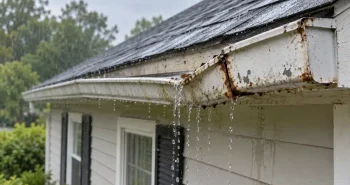
Drainage problems are among the most important maintenance concerns for low-slope commercial roofing systems. When rainwater cannot leave the roof efficiently, standing water can increase the risk of leaks and premature material deterioration.
Drainage inspection checklist:
- Check for visible debris around accessible roof drains.
- Look for standing water that remains well after rainfall.
- Inspect gutters and downspouts for apparent blockages.
- Watch for staining or overflow along exterior walls.
- Confirm that scuppers and drainage outlets appear unobstructed.
- Document recurring water accumulation in the same locations.
Property managers should report drainage concerns to qualified maintenance or roofing professionals rather than attempting unsafe rooftop cleaning.
2. Are Roof Seams and Membranes Showing Signs of Wear?
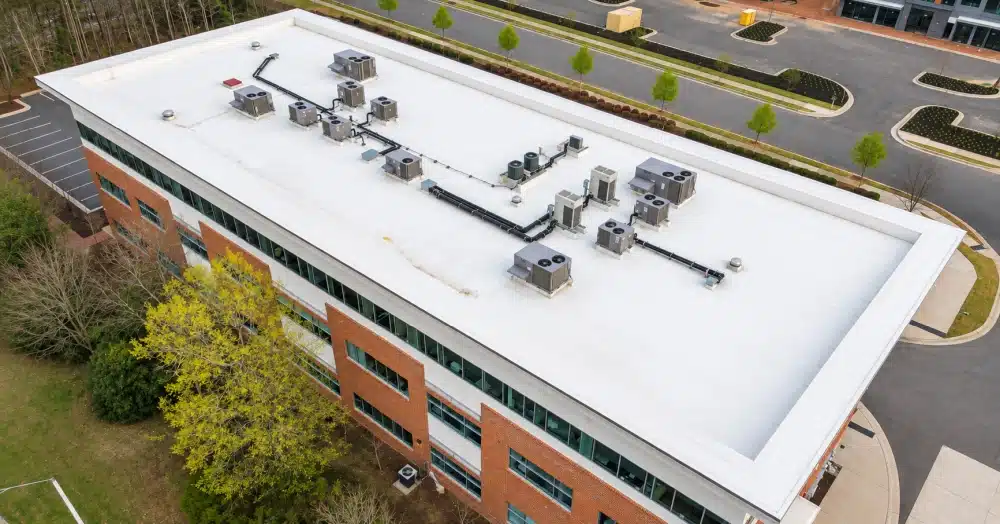
Commercial buildings frequently use TPO, PVC, EPDM, and other membrane roofing systems. Over time, weather exposure, foot traffic, and movement around rooftop equipment can affect the condition of these materials.
Roof membrane checklist:
- Look for visible cracks, punctures, or tears.
- Check for lifting or separated membrane seams.
- Identify blistering, bubbling, or unusual surface changes.
- Note areas showing signs of previous repairs.
- Watch for damage near rooftop HVAC equipment.
- Document exposed or deteriorating roofing materials.
Seam separation and membrane damage can create openings that allow moisture beneath the roofing system.
Any suspected damage should be evaluated by a commercial roofing contractor familiar with the specific roof type.
3. Is the Flashing Around Roof Penetrations Secure?
Roof flashing protects vulnerable areas around vents, skylights, HVAC penetrations, parapet walls, and other transitions.
Damaged flashing can allow water to enter areas that otherwise appear protected.
Flashing inspection checklist:
- Look for loose, bent, or displaced flashing.
- Check visible metal components for corrosion.
- Identify deteriorating sealant around penetrations.
- Inspect areas where roofing materials meet walls.
- Watch for gaps around vents and rooftop equipment.
- Record any previous flashing repairs that need follow-up.
Proper flashing maintenance is especially important for commercial buildings with multiple rooftop mechanical systems.
4. Are There Warning Signs of Water Leaks Inside the Building?
Not every commercial roof problem is immediately visible from the outside. In some cases, interior conditions provide the first indication that water has entered the building.
Property managers should monitor offices, storage areas, hallways, and ceilings for moisture-related changes.
Interior leak inspection checklist:
- Look for water stains on ceilings and walls.
- Check for bubbling paint or damaged ceiling tiles.
- Investigate persistent musty odors.
- Document active dripping or visible moisture.
- Monitor areas around skylights and HVAC penetrations.
- Track recurring leaks during heavy rainfall.
These conditions do not always originate from the roofing system, but they should be investigated promptly.
For additional guidance, review the signs of commercial roof damage that may indicate the need for a closer inspection.
How Can Property Managers Maintain a Simple Commercial Roof Maintenance Log?
A commercial roof maintenance log helps property managers organize inspection findings, repair history, and future maintenance requirements.
A basic record does not require specialized software. A spreadsheet or shared property management document can provide an effective starting point.
|
Date |
Area Inspected |
Observation |
Action Required |
Status |
|---|---|---|---|---|
|
March 10 |
Roof drainage |
Debris visible near drain |
Schedule cleaning |
Pending |
|
March 10 |
Flashing |
Loose section near HVAC unit |
Request professional inspection |
Open |
|
March 11 |
Interior ceiling |
No visible moisture |
Continue monitoring |
Complete |
|
April 15 |
Roof membrane |
Previous repair area needs review |
Schedule follow-up |
Planned |
Example entries for illustration only; these do not represent an actual First Star Exteriors project.
Every maintenance record should include the inspection date, building location, observed condition, photographs when available, and the person responsible for follow-up.
Keep professional inspection reports, repair invoices, warranty documents, and contractor recommendations alongside the maintenance log.
Consistent documentation makes it easier to recognize recurring problems, manage multiple commercial properties, and plan future roofing expenses.
When Should an Arkansas Property Manager Call a Commercial Roofer?
Property managers should contact a professional roofer when inspections reveal active leaks, persistent standing water, damaged flashing, separated membrane seams, or unexplained interior moisture.
Schedule a professional evaluation when you notice:
- Recurring roof leaks during rainfall.
- Water collecting in the same roof areas.
- Visible punctures, cracks, or membrane separation.
- Loose flashing around rooftop equipment.
- Significant deterioration around previous repairs.
- Damage following hail, strong winds, or severe storms.
- Increasing moisture problems inside the building.
Avoid walking on damaged roofing surfaces or attempting repairs without appropriate training, equipment, and fall protection.
A qualified contractor can assess the roof’s condition, identify potential causes, and recommend repairs or ongoing maintenance based on the roofing system.
What Should You Do If a Routine Roof Check Reveals Storm Damage?
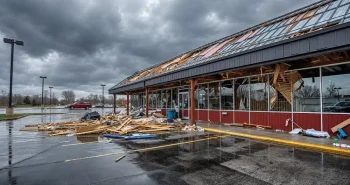
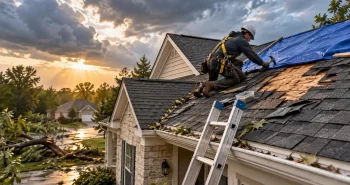
If a maintenance check uncovers possible storm damage, prioritize occupant safety, restrict access to hazardous areas, and document visible conditions from safe locations.
Do not enter damaged roof sections or attempt temporary repairs without qualified assistance.
Property managers should record the storm date, affected building areas, and any interior water intrusion before arranging an assessment.
First Star Exteriors provides commercial storm restoration for properties affected by severe weather. A professional evaluation can help determine the extent of the damage and identify appropriate restoration steps.
For a more detailed emergency response process, see our commercial roof storm damage checklist guide.
Why Is Preventive Commercial Roof Maintenance Important?
Preventive maintenance helps commercial property managers recognize roofing problems early, plan repair budgets, and reduce the risk of unexpected building disruptions.
Regular assessments also provide useful information about the condition of roofing membranes, drainage components, flashing, and previous repair areas.
A documented maintenance program can support:
- Earlier identification of potential water intrusion.
- Better planning for roof repairs and replacement.
- More consistent property maintenance records.
- Reduced disruption to tenants and business operations.
- Improved communication with roofing contractors.
- Better oversight of multiple commercial buildings.
Maintenance cannot prevent every weather-related problem, but it provides a structured approach to managing roofing conditions throughout the year.
Frequently Asked Questions About Commercial Roof Maintenance in Arkansas
How often should a commercial roof be professionally inspected?
As a general starting point, commercial roofs should receive professional inspections twice a year, usually in spring and fall. Additional assessments may be necessary after major storms, roof leaks, or visible deterioration. Always follow the roofing manufacturer’s maintenance requirements and any applicable warranty conditions.
What is the most important part of commercial roof maintenance?
Drainage, membrane integrity, and flashing are among the most important areas to monitor. Blocked drains, separated seams, and deteriorating flashing can contribute to moisture intrusion. Regular checks help property managers identify concerns before they become more extensive.
Can property managers inspect commercial roofs themselves?
Property managers can perform basic visual checks from safe, accessible areas and inspect interior spaces for leaks. However, rooftop access, detailed membrane inspections, and repairs should be handled by appropriately trained professionals when safety risks are present.
Does preventive maintenance help extend the life of a commercial roof?
Appropriate maintenance can help reduce premature deterioration by identifying drainage problems, material damage, and leaks early. Actual roof performance depends on the roofing system, installation quality, weather exposure, repair history, and maintenance practices.
Schedule Commercial Roof Maintenance With First Star Exteriors
Keeping your commercial roofing system in good condition starts with regular inspections and timely attention to developing problems.
First Star Exteriors works with commercial property owners and managers in Northwest and Central Arkansas, providing roofing evaluations, repairs, and installation services for a range of commercial buildings.
Whether you manage an office building, warehouse, retail property, or other commercial facility, professional guidance can help you understand your roof’s condition and plan the next steps.
Request a commercial roof inspection with First Star Exteriors to discuss your property and roofing maintenance needs.