
5 Key Takeaways About Poor Attic Ventilation
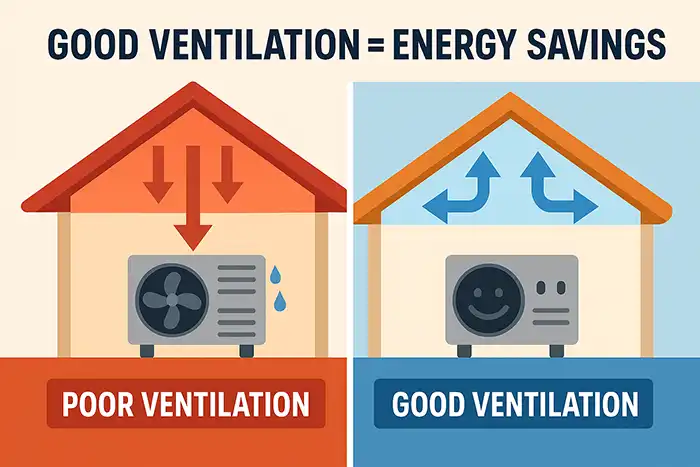
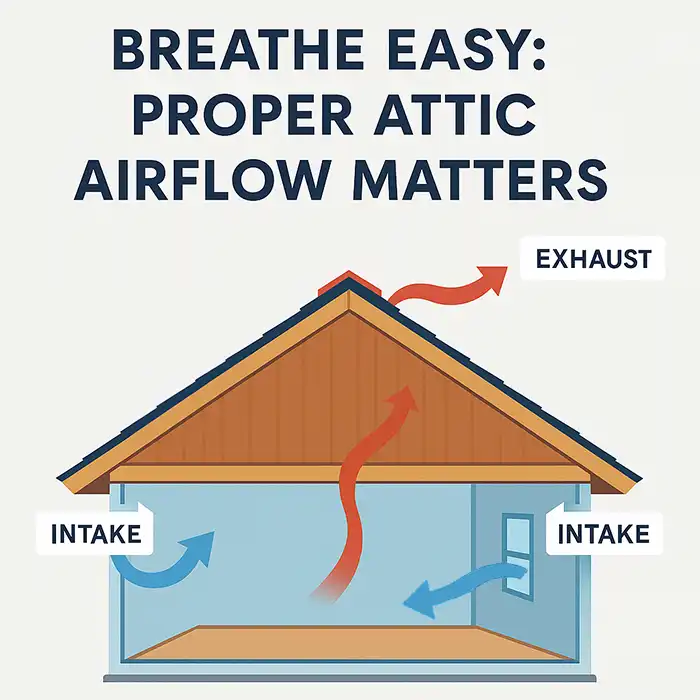
- Attic ventilation balances heat and moisture: Proper airflow lets hot, humid air escape while allowing cooler air in, which protects roof health and energy efficiency.
- Excessive heat buildup accelerates roof damage: Without good ventilation, attic temperatures can soar, baking shingles, warping wood, and increasing cooling costs.
- Moisture and mold growth are common issues: Trapped humidity leads to condensation, mold, wood rot, and musty odors that can impact indoor air quality.
- Poor ventilation contributes to ice dams and structural stress: In winter, warm attic air can melt snow that refreezes at roof edges, causing ice dams that damage shingles and gutters.
- Poor airflow shortens material lifespan and increases costs: Ventilation problems can reduce roofing material life, raise energy bills, and even attract pests, leading to costly repairs if ignored.
What is Attic Ventilation and Why Does It Matter?
- Damage shingles and roof decking
- Increase utility bills
- Encourage mold and mildew growth
- Shorten your roof’s lifespan
Types of Attic Ventilation Systems
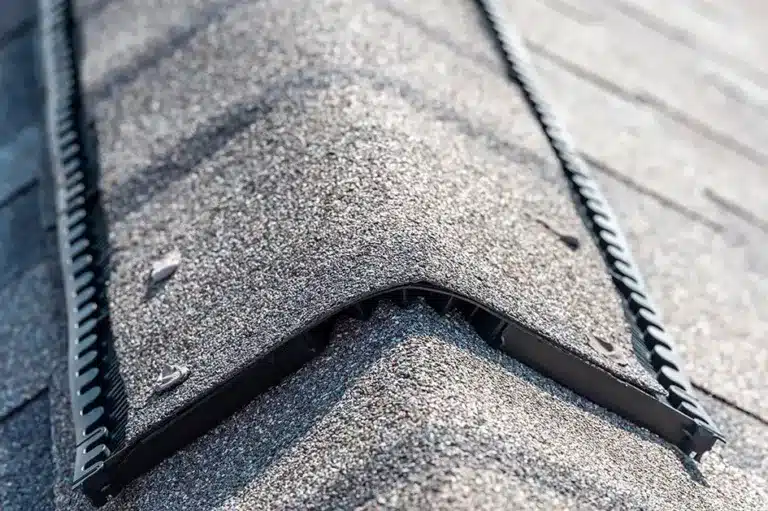
- Ridge Vents – Installed at the roof peak to allow hot air to escape.
- Soffit Vents – Found under eaves to pull cooler air into the attic.
- Gable Vents – Openings in gable walls for cross-ventilation.
- Power Vents – Electric fans that actively remove hot air, ideal for larger homes or hotter climates.
8 Common Problems Caused by Poor Attic Ventilation
When ventilation is neglected, a range of costly and dangerous issues can arise. Here are the most common problems we see:1. Excessive Heat Buildup
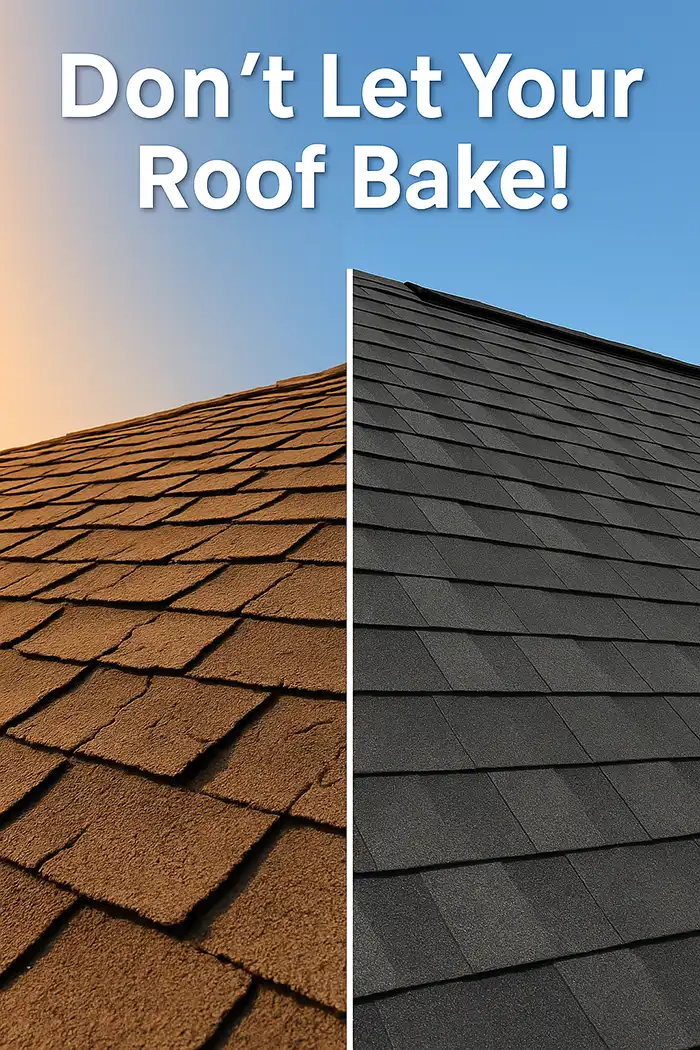
- Bakes shingles, causing them to crack or curl
- Warps wood structures
- Forces your HVAC system to work harder
2. Moisture and Mold Growth
Everyday household activities (cooking, showering, laundry) release moisture that rises into the attic. Without ventilation, that moisture lingers and condenses—creating a breeding ground for mold and mildew. Left unchecked, this leads to:- Musty odors inside the home
- Rotting wood structures
- Potential health risks for your family
3. Sagging Roof Decking
Moisture damage weakens roof decking, causing it to sag or bow. A sagging roof not only looks concerning but also:- Reduces structural integrity
- Creates uneven surfaces for shingles
- May require full roof replacement if ignored
4. Ice Dams in Winter
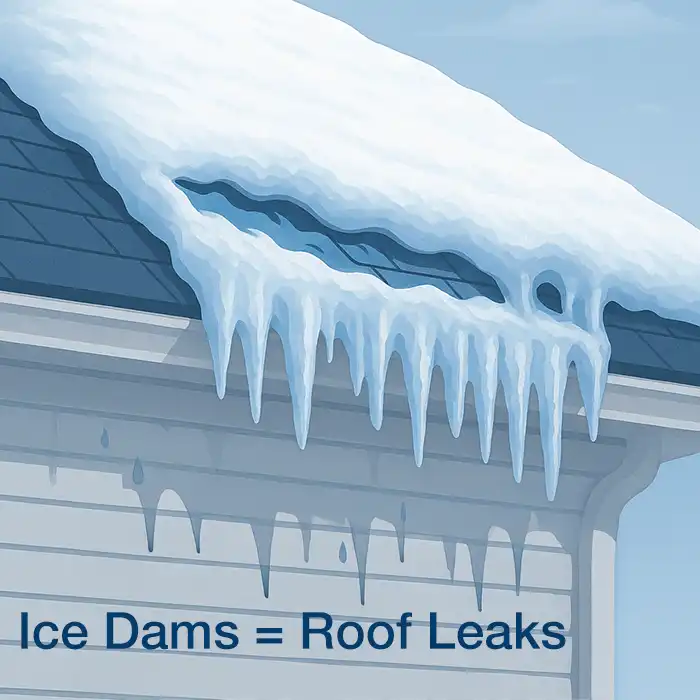
- Prevent proper drainage
- Damage shingles and gutters
- Lead to interior leaks
5. Reduced Energy Efficiency
Poor airflow allows trapped heat to seep into your living spaces. This makes your HVAC system work harder, which means:- Higher monthly energy bills
- Increased wear and tear on HVAC equipment
- Less consistent indoor comfort
6. Shortened Lifespan of Roofing Materials
Excess attic heat accelerates shingle aging, causing blistering, curling, or cracking. Moisture also promotes algae and moss growth, which stains roofing and reduces durability. A poorly ventilated attic can cut years off the life of your roof—forcing premature replacements.7. Pest Infestations
Stagnant, humid attics attract unwanted guests such as:- Rodents (mice, squirrels, rats)
- Birds and insects
- Termites and carpenter ants
8. Structural Damage Over Time
The combination of heat, moisture, and pests eventually compromises the attic’s structure. Rafters, beams, and roof decking may rot or warp, threatening the stability of your entire roof system.How to Prevent Problems Caused by Poor Attic Ventilation
The good news? Most ventilation problems are preventable with the right care. Here’s how:- ✅ Schedule regular roof and attic inspections
- ✅ Keep soffit and ridge vents clear of debris
- ✅ Consider power vents for larger homes or hot climates
- ✅ Seal attic air leaks to reduce moisture infiltration
- ✅ Work with a trusted roofing contractor like First Star Exteriors