

Home renovation projects that require a permit can be surprisingly different depending on where you live. Homeowners often need approval before tackling upgrades, especially those involving structural changes or residential roofing in NWA. Regardless of the size of your remodel, understanding local permit requirements is essential for staying compliant with city and county building codes. Here, we’ll go over a few of the most common renovations that you’ll need to obtain a permit for, along with some location-specific regulations throughout Northwest Arkansas.
Quick Overview: Home Renovations That Require a Permit in Northwest Arkansas
Many home renovation projects in Northwest Arkansas require permits, especially those involving structural changes, roofing, electrical, plumbing, HVAC, or home additions, with requirements varying by city and county.
Local governments enforce permits to ensure renovations meet safety standards, protect structural integrity, and comply with building codes, helping homeowners avoid fines, stop-work orders, or insurance issues.
Permit processes differ by location, with cities like Bentonville, Fayetteville, Washington County, and Bella Vista each using their own systems, applications, and review programs.
Homeowners can sometimes pull permits themselves, but licensed contractors typically handle permits for large, complex, or multi-trade renovations.
Skipping required permits can result in financial penalties, forced removal of completed work, reduced property value, and safety risks, making compliance essential before starting any project.
Why Permits Matter for Home Renovations
Building permits are non-negotiable for many home renovations, as they ensure that the job is done safely and in compliance with local rules and regulations. The inspectors for each project take the time to make sure that any changes outlined in the renovation don’t cause potential problems to the structural stability of your home, and won’t increase the risk of serious issues such as electrical hazards, gas leaks, or water damage. They’re also often required for homeowners to stay legally compliant, although this can vary based on your location. And, although they can cause some frustration before the start of the project, getting the proper permits will save you time and money in the long run.
How Permit Requirements Work in Northwest Arkansas
The state of Arkansas typically requires one of many types of licenses or certificates if making changes to single-family homes or building a new residence. However, the specific details can vary vastly from city to city. You can find general information on contractors and license registration at the Arkansas Department of Labor and Licenses here, along with a few key pieces of information for some of the most notable cities below.
City-by-City Overview of Permit Information
Bentonville uses an online system (eTrakit) for building permit applications, and typically requires you to create a registered user account. There are also different guides and tutorials for applying and overall building safety at the city’s official website here.
The City of Fayetteville has the Permit-Ready Building Design Program, which was created for those looking to perform residential construction in the Downtown and Walker Park neighborhoods. This program includes pre-reviewed designs that help protect Fayetteville’s character and save residents time if they’re looking to build a home or make changes to their current home. You can read more about it here.
Washington County also has its own Planning Department, which may require residents to request an appointment and discuss their plans. You can find details on the process and where to find the necessary assistance here.
Bella Vista requires a building permit when you “construct, enlarge, alter, repair, move, remove, improve, convert, or demolish” a building or structure. This also includes bringing a structure up to code. You can find more information about this process here.
When Homeowners Need a Permit vs. When Contractors Handle It
Depending on the size and scope of the building project, homeowners may need to get a permit on their own, or they may be able to work with a reputable home builder who will handle all applicable licenses and requirements. In many NWA cities, homeowners can pull permits themselves if:
✓ They are doing the work on their primary residence.
✓ The project is for personal use, not for resale or rental property.
✓ The homeowner is complying with city building codes, zoning laws, and safety requirements.
✓ Licensed contractors, on the other hand, may be responsible for pulling permits when:
✓ The project involves major renovations, structural changes, or complex systems (load-bearing walls, residential roofing, electrical, plumbing, HVAC).
The homeowner hires the contractor to manage the entire project, including inspections and subcontracts.
The contractor is licensed, bonded, and insured, which allows the city to hold them accountable for code compliance.
Major Home Renovation Projects That Require a Permit
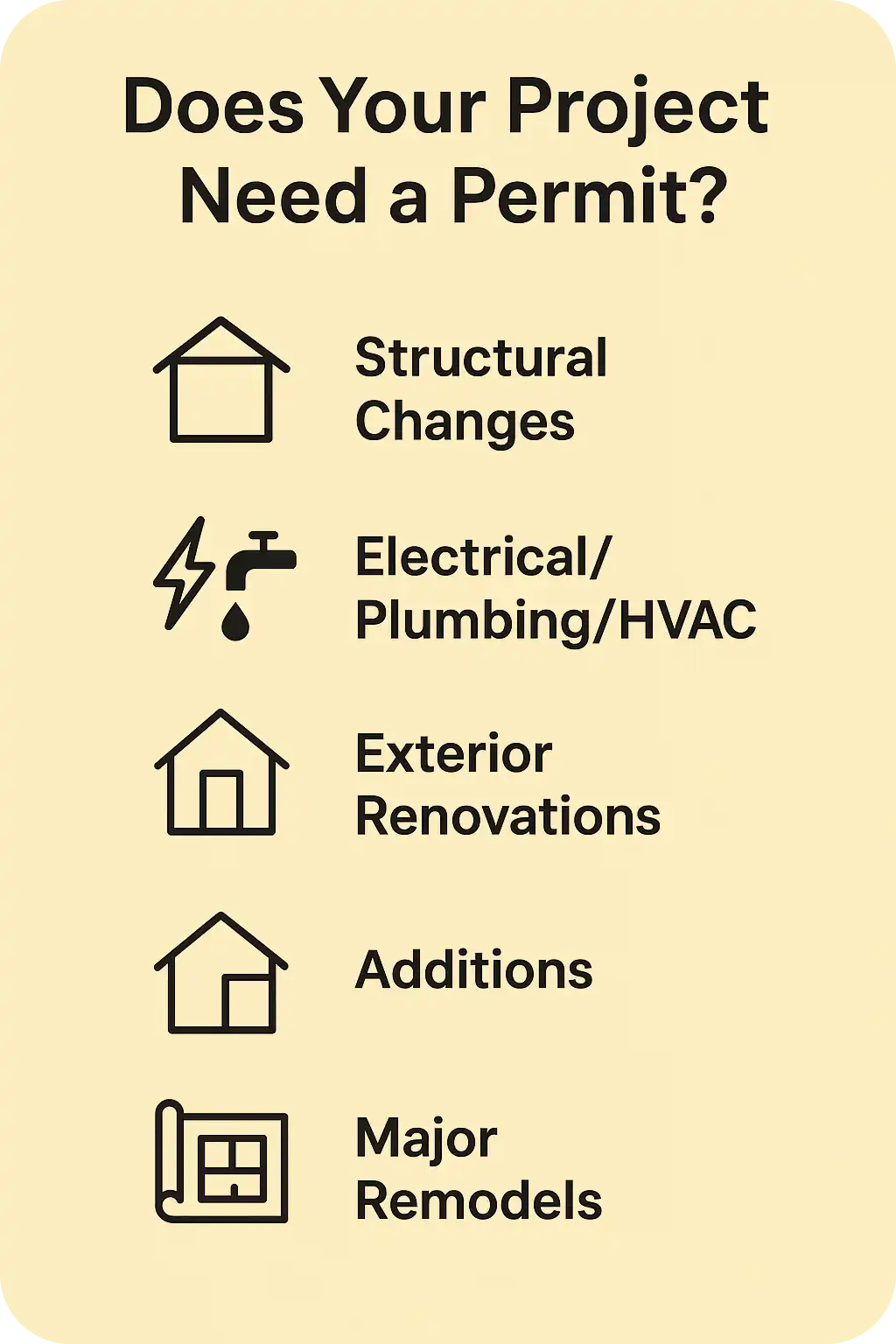
While you should always check for specifics regarding renovations within your city limits, some specifics tend to require permits across the board. These can apply to either new or existing structures. The most common ones are as follows:
1. Structural Changes
✓ Any project that affects your home’s structural integrity almost always requires a permit.
✓ Removing or adding load-bearing walls
✓ Room additions or expansions
✓ Basement finishing or converting an attic into a livable space
✓ Foundation repairs or structural reinforcement✓ Garage conversions or adding new garages
2. Electrical, Plumbing, and HVAC
Work on your home’s mechanical, electrical, or plumbing systems almost always requires a permit.
✓ Installing or relocating electrical wiring or panels
✓ Adding new plumbing fixtures or moving pipes
✓ Installing or upgrading HVAC systems
✓ Gas line installation or relocation
3. Exterior Renovations
✓ Changes to your home’s exterior can require permits depending on the scope.
✓ Residential roofing replacements or structural roof changes
✓ Building decks, patios, or porches
✓ Adding or enlarging windows and doors
✓ Exterior walls, siding, or facade changes
✓ Driveways, sidewalks, retaining walls, or significant grading
4. Additions and New Construction
✓ Projects that increase the size or footprint of your home require permits.
✓ New rooms, sunrooms, or extensions
✓ Accessory dwelling units (ADUs) or detached guest houses
✓ Attached garages or carports
5. Demolition or Major Remodels
✓ Even if you’re not building new structures, major remodeling often triggers permits.
✓ Complete kitchen or bathroom remodels that involve plumbing/electrical
✓ Removing or relocating walls
✓ Whole-home renovations that involve multiple trades (structural, electrical, plumbing)
Common Home Projects That May Not Require a Permit
With that being said, there are also some projects that are exempt from additional permit requirements. These are typically less intensive than those above and won’t put the structural integrity of a home at risk, such as:
✓ Painting interior or exterior walls
✓ Refinishing floors or replacing carpet
✓ Installing or replacing kitchen or bathroom cabinets
✓ Installing countertops that don’t alter plumbing or electrical systems
✓ Installing shelves, curtain rods, or blinds
✓ Replacing light fixtures without changing wiring
✓ Replacing faucets or showerheads without relocating plumbing
✓ Planting trees, shrubs, or gardens
✓ Replacing shingles on the roof, if no structural work is required
✓ Repairing siding or trim without structural changes
✓ Installing small fences or gates (depending on city-specific height ordinance)
Northwest AR Permit Costs and Timelines
While many cities have online portals that can streamline the process of obtaining a permit, applicants should be sure to give themselves plenty of time, as there can be delays depending on the time of year and the number of inquiries.
Typical Permit Fees by Project
These can vary based on specifics, but in general, permit fees may be somewhere in the following range:
✓ Small renovations or cosmetic work: $50–$150
✓ Electrical, plumbing, or HVAC upgrades: $75–$300 per trade
✓ Room additions, structural changes, or large remodels: $300–$1,500+
✓ Decks, patios, or exterior construction: $100–$500
✓ Residential roofing or siding projects: $100–$400
This is not the cost of the actual project itself, but rather the cost of the permit. Please keep this in mind if you plan to work with contractors or subcontractors for the job. You can also expect the following for general approval timelines.
✓ Minor renovations: 1–2 weeks
✓ Electrical, plumbing, or mechanical permits: 2–4 weeks
✓ Major remodels or additions: 4–8 weeks
✓ Projects requiring plan review or structural approval: 6–12 weeks
What Happens If You Renovate Without a Permit?
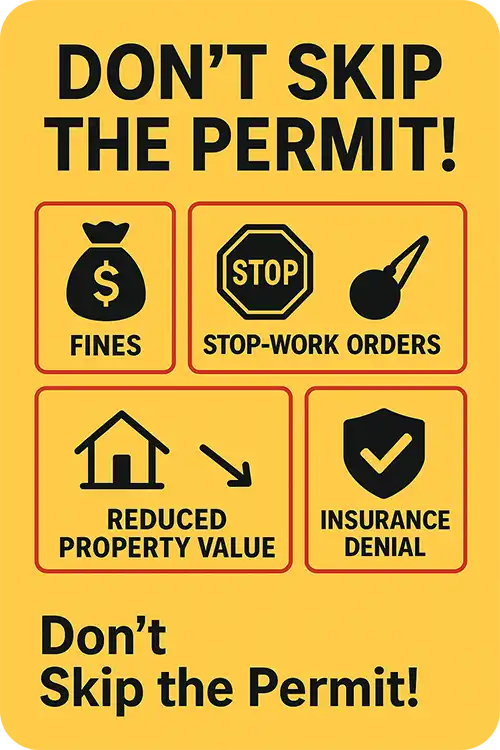
Homeowners who begin construction without submitting the proper documentation and receiving approval may incur several fines and penalties. Not only this, but doing so can put your and your family’s safety in jeopardy, as your current residence may not be able to handle the changes made. This could result in serious damage, and your homeowners’ insurance policy will likely not cover any repairs associated with the project. Other things that may occur include:
✓ Your municipality may issue a stop-work order
✓ Your city may make you tear down the work already done
✓ Your home’s property value can decrease
✓ You may face fines from the city
While applying for a permit isn’t exactly the most exciting part of a renovation, it’s necessary to avoid issues down the line.
Tips to Stay in Compliance With NWA Building Codes
Staying compliant with Northwest Arkansas building codes doesn’t have to be complicated, especially when you understand the basics and partner with the right professionals. Start by verifying permit requirements before beginning any project, since rules can vary between Fayetteville, Bentonville, Little Rock, Rogers, Springdale, and the surrounding areas. Always hire licensed contractors who understand local codes, and keep all approved permits, documents, and inspection records on file. Finally, schedule inspections early and communicate clearly with your contractor so no steps get missed along the way.
If you want peace of mind that your renovation or exterior project is fully compliant, professionally handled, and built to last, First Star Exteriors is here to help. Our experienced team knows Northwest Arkansas building codes inside and out, so you can focus on the renovation vision while we handle the details. Contact First Star Exteriors today to learn more.